One spring night, hills and empty lots across Israel fill with bonfires and the smell of woodsmoke. This is Lag BaOmer (ל״ג בעומר) — the 33rd day of Counting the Omer. For Chinese-speaking newcomers wondering what the fires are about, here’s the guide.
Why the 33rd day matters#
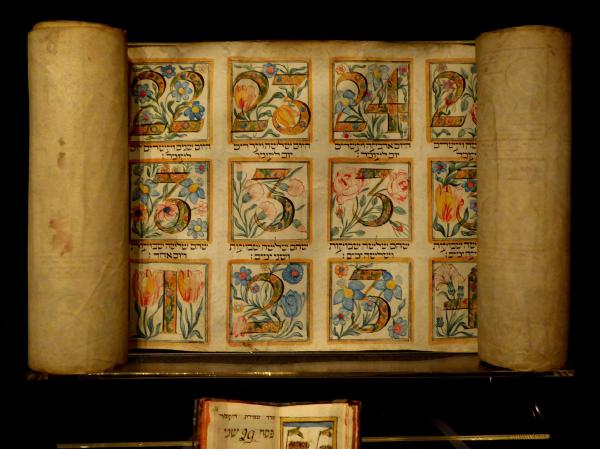
During the Omer — the 49 days between Passover and Shavuot — much of the period is observed as semi-mourning, marking the death of Rabbi Akiva’s 24,000 students in a plague (Talmud, Yevamot 62b). Tradition holds that the plague ended on the 33rd day. So Lag BaOmer becomes a break in the mourning: a day of celebration when weddings, haircuts and music return.
“Lag” (ל״ג) is simply the Hebrew letters for the number 33.
There’s a second layer: Lag BaOmer is also the yahrzeit (anniversary of death) of Rabbi Shimon bar Yochai (the “Rashbi”), the 2nd-century sage traditionally associated with Jewish mysticism (Kabbalah). He asked that the day of his passing be marked with joy — which is why the celebration is brightest at his tomb in Meron, in the Galilee.
The bonfires#
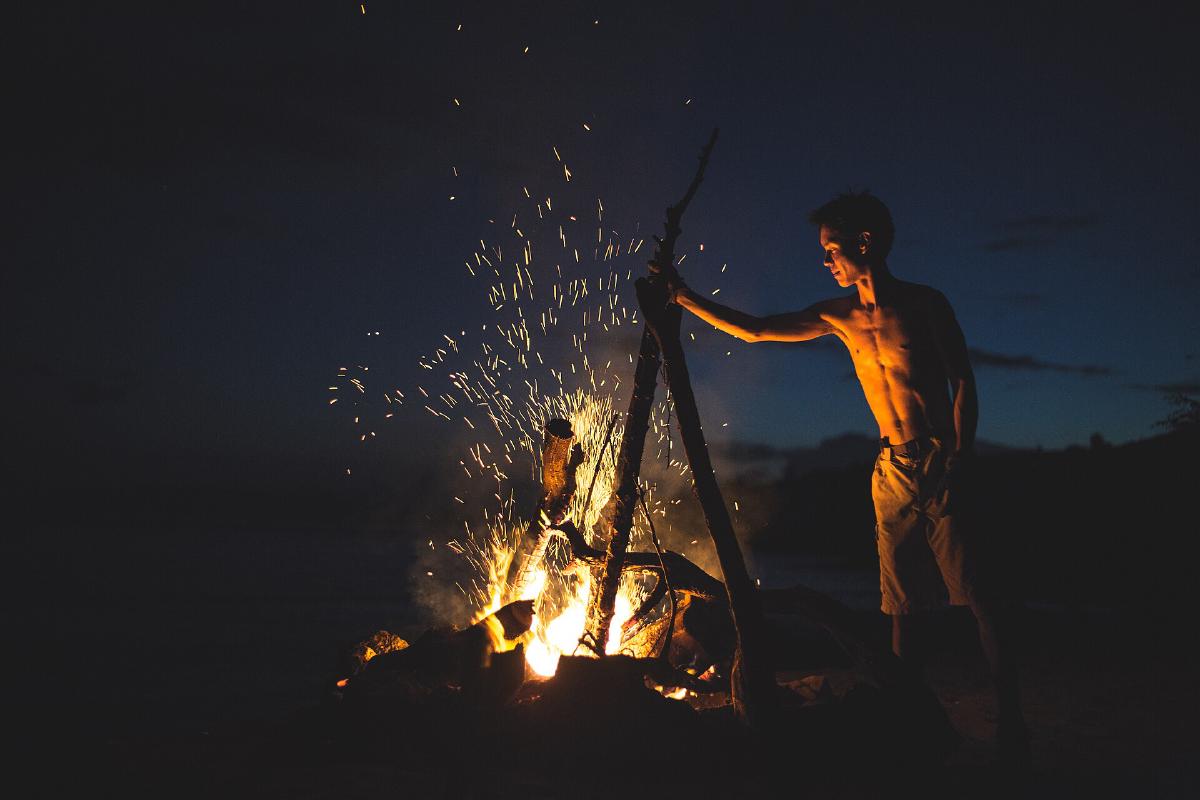
The most visible custom is lighting bonfires after nightfall. Children collect scrap wood for weeks beforehand; neighbourhoods, youth groups and families gather around the flames late into the night. The fire is often explained as symbolising the spiritual “light” Rabbi Shimon bar Yochai brought into the world.
If you join one:
- It’s a warm, social, very public occasion — newcomers are welcome around most neighbourhood fires.
- Dress for smoke and dirt, not your good clothes.
- Watch children near the flames, and check municipal rules — in dry or high-risk years some cities restrict or ban open fires for safety, so confirm locally before building one.
Meron — and a safety note#
Tens of thousands travel to Mount Meron for the largest gathering, around Rabbi Shimon bar Yochai’s tomb. It is intense, crowded and deeply meaningful to participants.
It is also where, in 2021, a crowd-crush disaster killed 45 people — the deadliest civilian disaster in Israel’s history. Since then access has been tightly managed with crowd limits, timed entry and heavy policing. If you plan to go to Meron, check the official arrangements in advance, follow crowd-control instructions exactly, and don’t improvise. For most people, a local neighbourhood bonfire is the safer and easier way to experience the day.
Taking part respectfully#
You don’t have to be religious to enjoy a Lag BaOmer bonfire — it’s a national, communal night. If it isn’t your tradition, the respectful approach is simple: join as a guest, follow your hosts’ lead, ask questions, and don’t treat it as a spectacle. Bringing something to share (snacks, marshmallows, potatoes for the coals) is always welcome.
Quick glossary#
- 拉格·巴欧梅尔 / Lag BaOmer — the 33rd day of the Omer
- 篝火 / Medura — bonfire
- Meron (梅龙) — the Galilee village with Rabbi Shimon bar Yochai’s tomb
- Rashbi / 拉比希蒙 — Rabbi Shimon bar Yochai
Part of our Jewish-holiday series for the Chinese-speaking community in Israel. See also Counting the Omer and Passover, and our other guides.
Photo: bonfire by Jon Asato / Unsplash via Wikimedia Commons, CC0.