Between Passover and Shavuot, observant Jews count 49 days aloud, one each evening. This is Counting the Omer (Hebrew: Sefirat HaOmer; 俄梅尔计数). For Chinese-speaking newcomers to Israel — and anyone curious why friends or colleagues avoid haircuts and live music for part of the spring — here’s what it is and what to do.
What is the Omer?#
“Omer” (עומר) was a measure of barley brought as an offering in the Temple on the second day of Passover. The Torah commands counting seven full weeks — 49 days — from that offering until the festival of Shavuot (Leviticus 23:15–16). Shavuot, the 50th day, celebrates the giving of the Torah at Sinai.
So the count is a bridge: from the physical liberation of Passover (leaving Egypt) to the spiritual purpose of that freedom (receiving the Torah). Many describe the 49 days as a period of inner preparation and refinement.
How you actually count#
- Each night after nightfall, you say a blessing and then state the day: “Today is one day of the Omer… today is two days…” and so on, building to "…which are six weeks and one day" as the weeks accumulate.
- The count is done standing, ideally just after the evening prayer.
- If you forget a whole day (day and the following day), you continue counting on subsequent nights without the blessing. Many people keep a reminder app or calendar.
Why a period of semi-mourning?#
A well-known tradition (Talmud, Yevamot 62b) relates that 24,000 students of Rabbi Akiva died in a plague during this period, because they did not treat one another with respect. In their memory, much of the Omer is observed as a time of semi-mourning:
- No weddings or large celebrations with music
- No haircuts or shaving (customs vary)
- No live instrumental music at festive events
Customs differ between communities. Sephardi and Ashkenazi traditions mark the mourning over slightly different stretches of the 49 days, so if you’re unsure which days apply to you, ask your rabbi or the community you daven with.
What changes after day 33 — Lag BaOmer#
The 33rd day is Lag BaOmer (ל״ג בעומר — the Hebrew letters lamed-gimel spell 33). Tradition holds the plague ended on this day, so it becomes a day of celebration in the middle of the mourning period: weddings, haircuts and music are permitted again (from Lag BaOmer onward, or on that day, depending on custom). In Israel you’ll see bonfires lit across the country that night — we cover that in our Lag BaOmer guide.
A quick glossary#
- 俄梅尔 / Omer — the barley measure; the counting period
- 数算俄梅尔 / Sefirat HaOmer — “Counting of the Omer”
- Shavuot (七七节) — the festival on day 50, giving of the Torah
- Lag BaOmer (拉格·巴欧梅尔) — day 33, the celebratory break
This is part of our Jewish-holiday series for the Chinese-speaking community in Israel. See also our guides to Lag BaOmer and Passover, and our other guides.
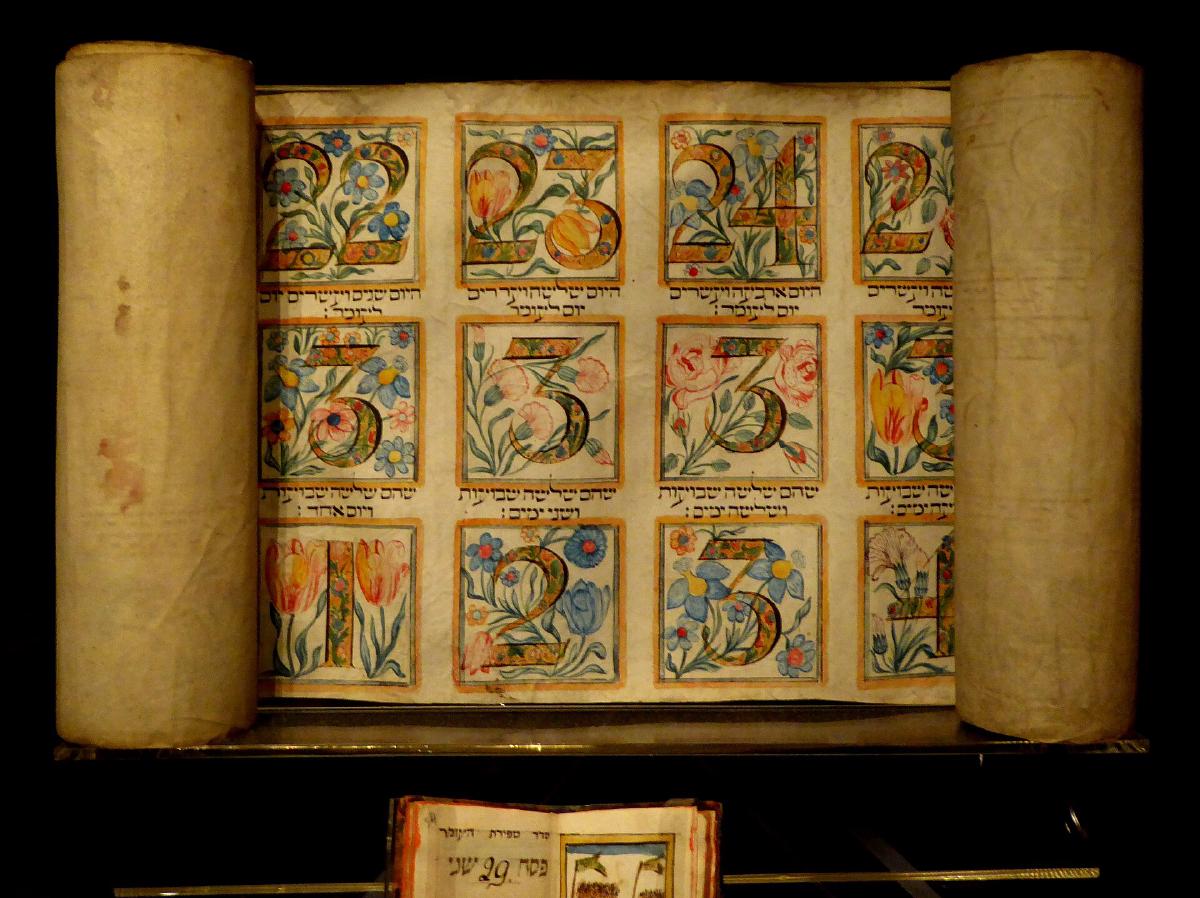
Photo: 19th-century Italian Omer calendar by Ethan Doyle White / Wikimedia Commons, CC BY-SA 4.0.