“Where can I buy bok choy, choy sum and kai-lan here?” is one of the most-asked questions in Israel’s Chinese-speaking community — and a genuinely tricky one, because these vegetables hide under Hebrew, English and Chinese names that don’t always match. This guide gives you the names, the stores, and what to do when you can’t find the real thing.
The vegetables, with their names#
Knowing the Hebrew name is half the battle at an Israeli shuk or supermarket. The most useful:
| English | Chinese | Hebrew (rough) | Notes |
|---|---|---|---|
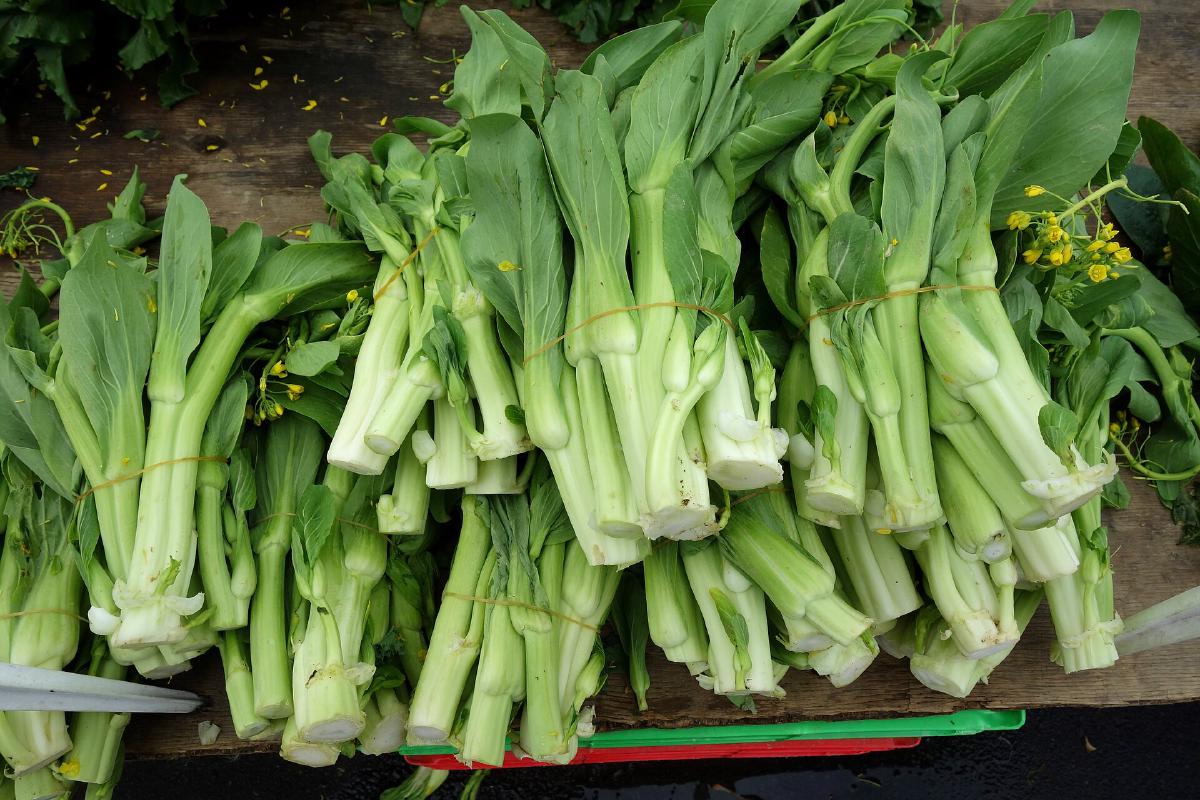
| Bok choy / pak choi | 白菜 / 小白菜 | פאק צ’וי / בוק צ’וי | Increasingly in regular supermarkets |
| Choy sum | 菜心 | choy sum / חסה סינית | Usually only at Asian markets |
| Kai-lan (Chinese broccoli) | 芥蘭 | קיי-לאן / ברוקולי סיני | Asian markets; sometimes shuk stalls |
| Napa cabbage | 大白菜 | כרוב סיני (cabbage sini) | Common; large napa heads in many supermarkets |
| Gai choy (mustard greens) | 芥菜 | חרדל ירוק | Rare; Asian markets |
| Chinese chives | 韭菜 | עירית סינית | Asian markets, some shuks |
| Daikon radish | 白蘿蔔 | צנון לבן / לבנון | Shuks and supermarkets |
| Water spinach (ong choy) | 通菜 / 空心菜 | — | Hard to find; see substitutions |
When in doubt, show the vendor a photo on your phone — produce sellers at the shuk are used to it and often know the vegetable even if not the name.
Where to buy — by city#
Dedicated Asian markets carry the widest range; large supermarkets and shuks cover the basics (napa, daikon, bok choy).
Tel Aviv & center#
- Eastern Block — Asian market.
- El Mano Asian — Asian grocery.
- Onikon Asian Market — Ness Ziona.
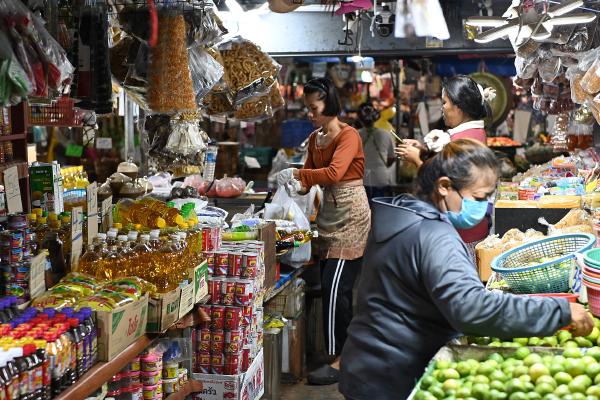
- The Levinsky Market area and the Carmel Market produce stalls — ask for the Asian greens; availability is seasonal. (See our Asian groceries map.)
Haifa & north#
- TAYO Asian Market Haifa — strong fresh-produce range.
- Hayam Hasini (The Chinese Sea) — Haifa.
Jerusalem#
- Tropical Shack Asian Store — Asian groceries.
Other#
- Asian Market Afula — north-center.
Browse the full, filterable list in our business directory — filter by city.
When you can’t find it — substitutions#
Asian greens are seasonal and stock varies, so keep a few swaps in mind:
- No choy sum or kai-lan? Use the leafy tops of regular broccoli or broccolini (sold widely in Israel as ברוקוליני) — similar stems-and-leaves texture for stir-fries.
- No bok choy? Young Swiss chard (מנגולד) or napa cabbage works in soups and braises.
- No water spinach (ong choy)? Regular spinach (תרד) or Swiss chard, added late so it doesn’t overcook.
- No gai choy? Any sturdy mustard green or even arugula (רוקט) for a peppery note.
The texture won’t be identical, but with the right sauce and high heat, the dish still lands.
Tips for the shuk#
- Asian greens turn up more at the shuk (open-air market) than in chain supermarkets — and cheaper.
- Go early for the freshest leaves; greens wilt fast in the Israeli heat.
- Buy what’s in season rather than chasing one specific vegetable — the vendors will tell you what’s good that week.
For the wider picture — sauces, dried goods, rice, household items — see our complete Asian groceries map for Israel, the business directory, and our other guides.