Beyond fresh food, there’s a whole category of Chinese and Hong Kong household staples the community keeps asking about: the right rice cooker, a bottle of white flower oil (白花油), medicated balms, satay sauce, specific small appliances. Here’s how to actually get them in Israel, and the trade-offs between buying local, ordering online, and carrying back from Hong Kong.
The three ways to get them#
1. Local Asian shops#
Best for: condiments, sauces, dried goods, and some pharmacy-style items.
Dedicated Asian markets stock far more than food — many carry satay sauce, chili oils, sesame paste, and HK pharmacy staples. Start with the markets in our Asian groceries map and the business directory (filter by city). It’s worth a phone/WhatsApp call before travelling: stock of specialty items rotates, and shopkeepers will often order something in if you ask.
2. AliExpress (with a 2026 caveat)#
Best for: small appliances, gadgets, and anything not available locally.
AliExpress has long been the default for Chinese goods in Israel — wide selection, ships to Israel, low prices. But the experience has degraded in 2026: community members report AliExpress switched couriers to cut costs, with parcels now routed to inconvenient pickup points instead of home delivery, and slower, less predictable arrival. Several long-time buyers say they’ve largely stopped using it.
If you still order from AliExpress:
- Check the courier and delivery method before buying, not after.
- Factor in customs/VAT on higher-value items (Israel charges VAT on imports above the low-value threshold).
- For electrical goods, confirm the plug type and voltage — Israel uses Type H sockets and 230V; many Chinese appliances need an adapter and must be 220–240V rated.
Alternatives worth comparing: Temu, regional sellers that warehouse in Europe (faster), and local Israeli marketplaces (יד2, etc.) where community members resell appliances they brought over.
3. Carry-back / personal shopping from Hong Kong#
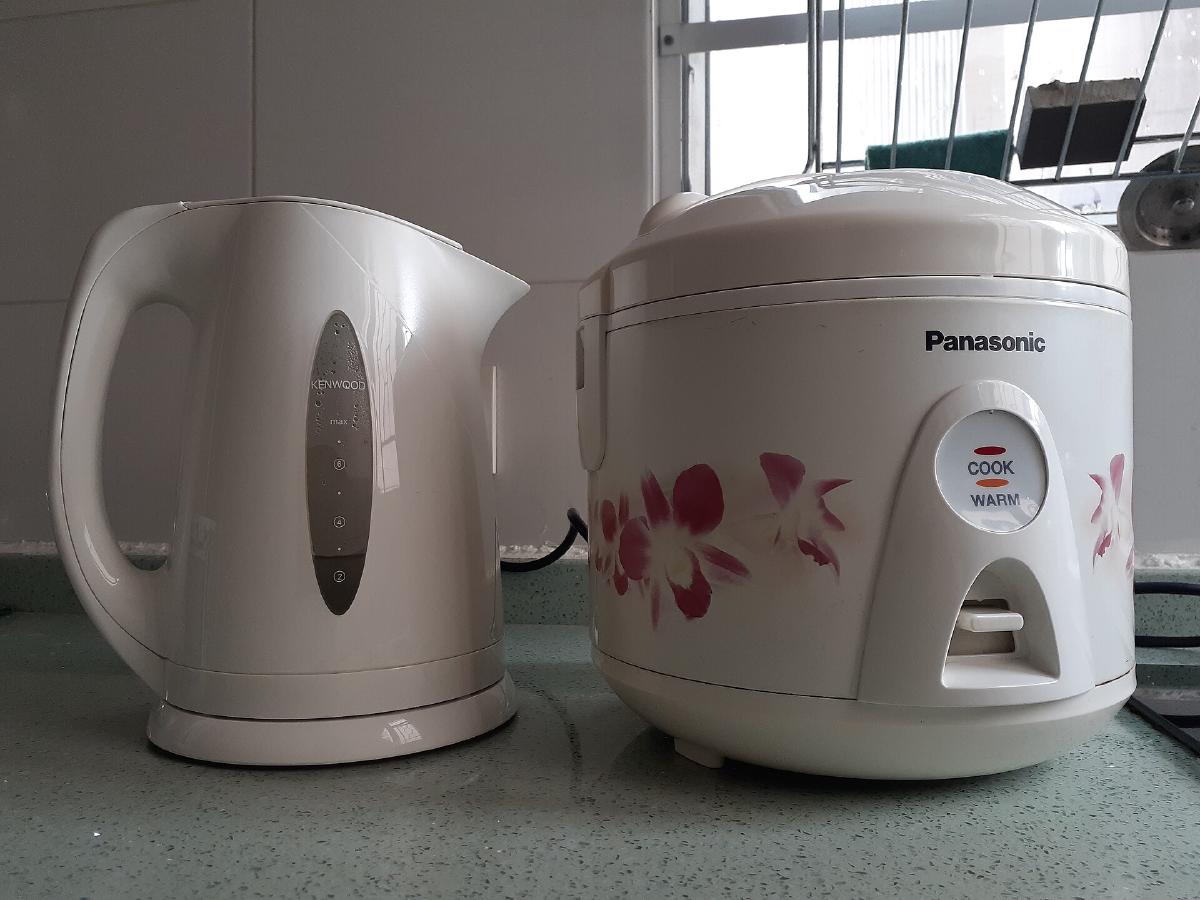
Best for: specific brands you can’t get any other way — e.g. a particular Panasonic (樂聲) rice cooker, brand-name balms, or items where you want the genuine HK version.
Many in the HK-origin community coordinate carry-backs: someone travelling to Hong Kong brings items for others, or a relative ships a parcel. The community WhatsApp/Matrix groups are where these requests get matched. If you’re new, ask politely — people are generally happy to help, within luggage limits.
Specific items people ask about#
- Rice cooker (電飯煲): A Japanese/Korean rice cooker from a local appliance store works for most people. If you specifically want a Panasonic 樂聲 or another HK-market model, carry-back or a Europe-warehoused online seller is usually the route — and check it’s 220–240V.
- White flower oil (白花油) / medicated balms: HK pharmacy staples. Some Asian shops carry them; otherwise carry-back or online.
- Satay sauce (沙爹醬): Asian markets usually have it, or a close substitute; ask staff for the shelf.
- Tiger balm-type ointments: Increasingly stocked in Israeli pharmacies and Asian shops.
Electrical-safety quick note#
Before plugging in any imported appliance: Israel is 230V, 50Hz, Type H sockets. A 110V-only appliance (common from some markets) will be destroyed on Israeli current without a transformer — not just an adapter. Most modern Chinese appliances are 220–240V, but always check the label.
For food, sauces and groceries see our complete Asian groceries map for Israel and Chinese vegetables guide; browse shops in the business directory and our other guides.
Photo: Panasonic rice cooker by GOSUAN Waongeai / Wikimedia Commons, CC BY-SA 4.0.