Israel is one of the world’s more unlikely hubs for East Asian language learning — and the scene is bigger than most people realise. Anime and manga have driven a generation of young Israelis to pick up Japanese. K-pop and K-drama have made Korean the fastest-growing language class in the country. And Mandarin Chinese has earned its place in business and academia, attracting both expats maintaining ties to China and locals who see it as a serious career asset.
For the Asian expat community, the picture is slightly different: Japanese, Korean, and Chinese speakers in Israel often want Hebrew lessons integrated with cultural grounding, or are looking for spaces to practice their mother tongue with others. Either way, the infrastructure exists — and it’s better than most people expect.
This guide covers every serious option we know of: language schools, cultural centre courses, university programmes, and the online alternatives that work specifically in an Israeli context.
Japanese#
The Japanese Language Center — Tel Aviv#
The most established Japanese language school in Israel. Founded in 2008 by Sigal Izraeli, who holds an MA in East Asian Studies, it has been running group and private courses for nearly two decades. The curriculum covers all levels — absolute beginner through advanced — with JLPT preparation baked in from intermediate level onwards. There are dedicated teen classes, a pre-travel Japanese course for people heading to Japan, and an emphasis on cultural context throughout (you learn how to use a phrase, not just what it means).
The school operates from Montefiore in Tel Aviv and maintains an active alumni Facebook community.
📍 Shefa Tal 12, Tel Aviv | japanese-center.co.il | @japanesecenter | 052-883-5857
Kimura Japanese School — Online (all Israel)#
An online-first school with native Japanese teachers, covering all levels through group classes, private tuition, and self-paced digital courses. Useful if you’re not in Tel Aviv or prefer structured remote learning with a living teacher rather than an app. The name is unrelated to the Kimuraya restaurant group.
kimura.co.il | @kimura_yapanit | 054-740-4924
Japanologic — Center for Japanese Studies — Tel Aviv#
One of the larger Israeli Japanese schools, running online and in-person classes. The website has registration and scheduling details; the school markets itself toward adults who want structured classroom learning rather than app-based self-study.
TASI — The Asian Institute — Tel Aviv#
A business-and-culture bridge organisation that has been running language courses since the early 2000s. TASI covers Japanese, Chinese, and Korean under one roof — worth knowing about if you want to study more than one language, or if the business/professional angle is relevant to your goals.
Orshina Culture Space — Tel Aviv#
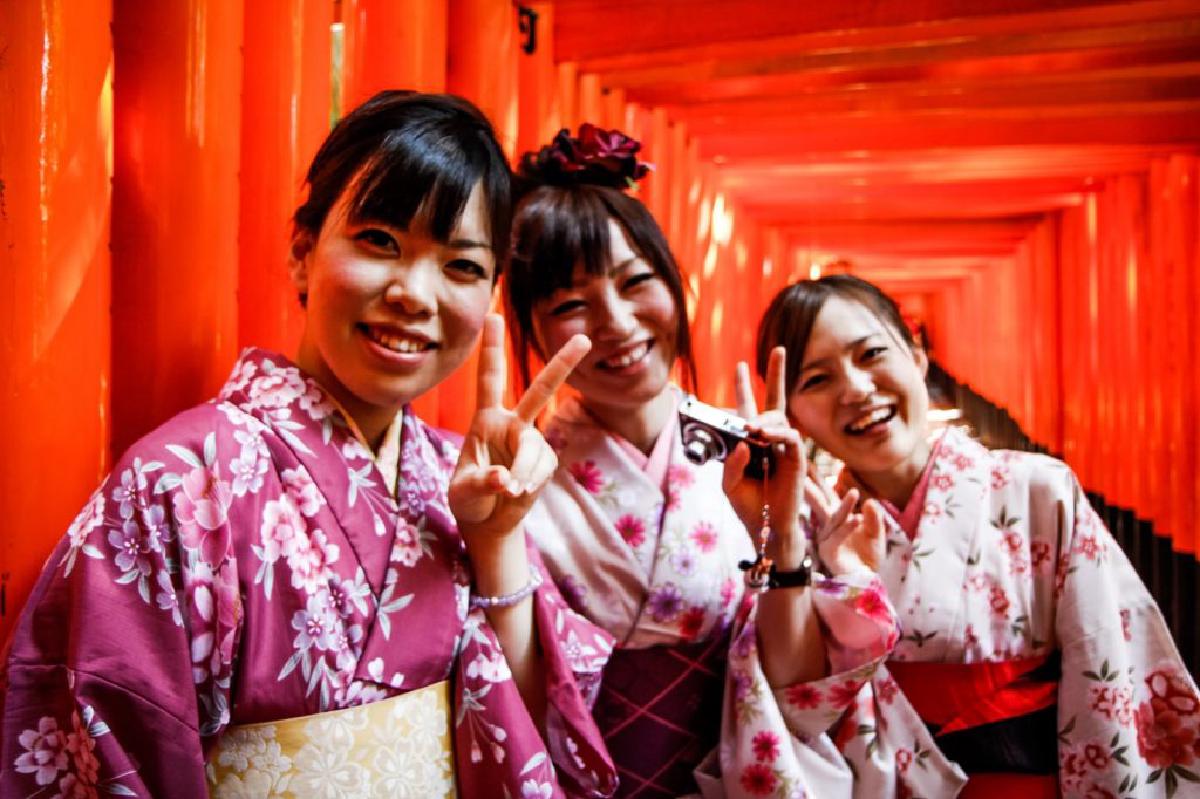
Not a language school in the traditional sense, but a Japanese cultural venue that runs workshops, tea ceremonies, Zen meditation, and kimono dressing sessions. For people who learn languages through immersive cultural experience rather than grammar drills, Orshina is worth adding to your week.
📍 Ha-Shfela 4, Tel Aviv | orshinatlv.com | @orshinatlv | 050-658-0534
Korean#
Korean Cultural Center in Israel — Jerusalem#
The official Korean government cultural centre in Israel, operated under the Korean Embassy. Since it opened in 2006, it has run subsidised Korean language courses alongside film screenings, cultural events, and K-pop programming. Courses are significantly cheaper than private schools — the trade-off is less scheduling flexibility. The centre is in central Jerusalem (Ben Yehuda Street); students from Tel Aviv make the trip.
📍 Ben Yehuda 2, Office 153, Jerusalem | kccil.org.il | @kccil_official | 02-624-2556
Korean School in Israel — Jerusalem#
A community-run school focused on heritage learners: Israeli-born children of Korean families, and adult Koreans living in Israel who want to maintain their children’s language skills. Classes are in Korean and Hebrew. Less suited to complete beginners from outside the community, but worth knowing if you have family ties.
TASI — The Asian Institute — Tel Aviv#
As noted above, TASI runs Korean alongside Japanese and Chinese. One of the few places in Israel offering all three East Asian languages through the same institution.
Chinese (Mandarin)#
East-West Cultural Center — Jerusalem#
The most structured Mandarin programme in Israel. The school follows the HSK curriculum from beginner (HSK 1) through Proficiency (HSK 6), taught by native Chinese-speaking teachers. Classes run online via Zoom in the evenings, which makes them accessible from anywhere in Israel. The programme also includes Business Chinese, weekly free “Chinese Corner” conversation sessions, and a China Tour programme for advanced students.
This is the best option for anyone who wants exam-aligned progression or a professional Mandarin qualification.
📍 HaRav Agan 10, Jerusalem | ewccenter.com | @ewccenter_il | 058-780-4979
TASI — The Asian Institute — Tel Aviv#
TASI’s Chinese courses sit alongside its Japanese and Korean offerings. The institution’s business-focused orientation makes it particularly useful for people studying Mandarin for professional or trade reasons.
University Programmes#
Bar-Ilan University — Asia Studies Department#
Bar-Ilan’s Asia Studies department at Ramat Gan offers BA and MA tracks focused on East, South, and Southeast Asia. For students who want language learning embedded in a broader academic framework — history, politics, culture — this is the route. The department includes language instruction as part of its curriculum.
biu.ac.il | @barilanuni_asia_studies | +972 3-531-8000
Hebrew University — Japan Club (HUJI)#
The Hebrew University’s Asia Studies department in Jerusalem has a Japan Club (HUJI Japan Club) run by students. It organises tea ceremonies, Japan Day events, anime screenings, and cultural exchange activities. For students already enrolled at HUJI, this is the social and cultural layer around formal language study.
Cultural Centres as Language Entry Points#
Tikotin Museum of Japanese Art — Haifa#
Israel’s only dedicated Japanese art museum runs workshops in tea ceremony, calligraphy, and Japanese culture throughout the year. For learners in the north, this is both a cultural touchstone and a practical way to encounter Japanese in a non-classroom setting.
Japan Month at Dizengoff Center — Tel Aviv (Annual)#
Every year Dizengoff Center runs a month-long Japan cultural festival — workshops, cosplay, karate demonstrations, and a Tokyo market. In 2025 the event drew 700,000 visitors, making it one of the largest Japan-themed events in the Middle East. The cultural saturation helps language learners connect vocabulary to experience.
Korean Cultural Center (see above)#
Worth repeating: the Korean Cultural Center in Jerusalem is one of the best-value routes into Korean culture for non-beginners and complete beginners alike. The film screenings and cultural programming complement the language courses.
Online Resources#
Apps like Duolingo and Pimsleur are fine for the first few months of any East Asian language, but they don’t handle the Israeli context well: no Hebrew-language interface, no local exam prep, no community of people you’ll actually meet. The structured schools above are worth the investment once you’re past the absolute basics.
Two things that do work well in Israel:
- JLPT, TOPIK, and HSK exams: All three are administered in Israel. JLPT (Japanese Language Proficiency Test) and HSK (Mandarin) are held annually; check with the relevant embassy or cultural centre for current exam schedules. TOPIK (Test of Proficiency in Korean) is run through the Korean Cultural Center in Jerusalem.
- Community groups: There are Hebrew-language Facebook and WhatsApp groups for Japanese and Korean learners in Israel. The Japanese Language Center and Japanologic both maintain active alumni communities. Search in Hebrew (לומדי יפנית, לומדי קוריאנית) for the most active groups.
Tips for Getting Started#
Which level am I? All the schools above offer placement assessments before enrolment. Don’t self-assess — placement tests exist because learners consistently misjudge their level in both directions.
Japanese vs Korean vs Mandarin: which is harder? For Hebrew speakers, none of the three is easy. Mandarin has the most approachable pronunciation but the hardest writing system for long-term literacy. Korean has a logical phonetic alphabet (Hangul) that most learners can read within a week. Japanese requires managing three writing systems simultaneously. All three reward consistent study over short bursts.
Exam prep in Israel: JLPT, HSK, and TOPIK are all available in Israel. The Korean Cultural Center coordinates TOPIK registration; for JLPT and HSK, contact the Japanese Embassy and East-West Cultural Center respectively.
The Full Directory#
This guide focuses on language learning. Our Asian businesses directory covers all cultural centres, associations, and community organisations mentioned here, plus many more.
Looking for Japanese restaurants, Korean food, or Chinese grocery stores in Israel? The directory has you covered.
Found this useful? Stay connected.
New guides, openings and community news for Asians in Israel — straight to you.
Stay updated