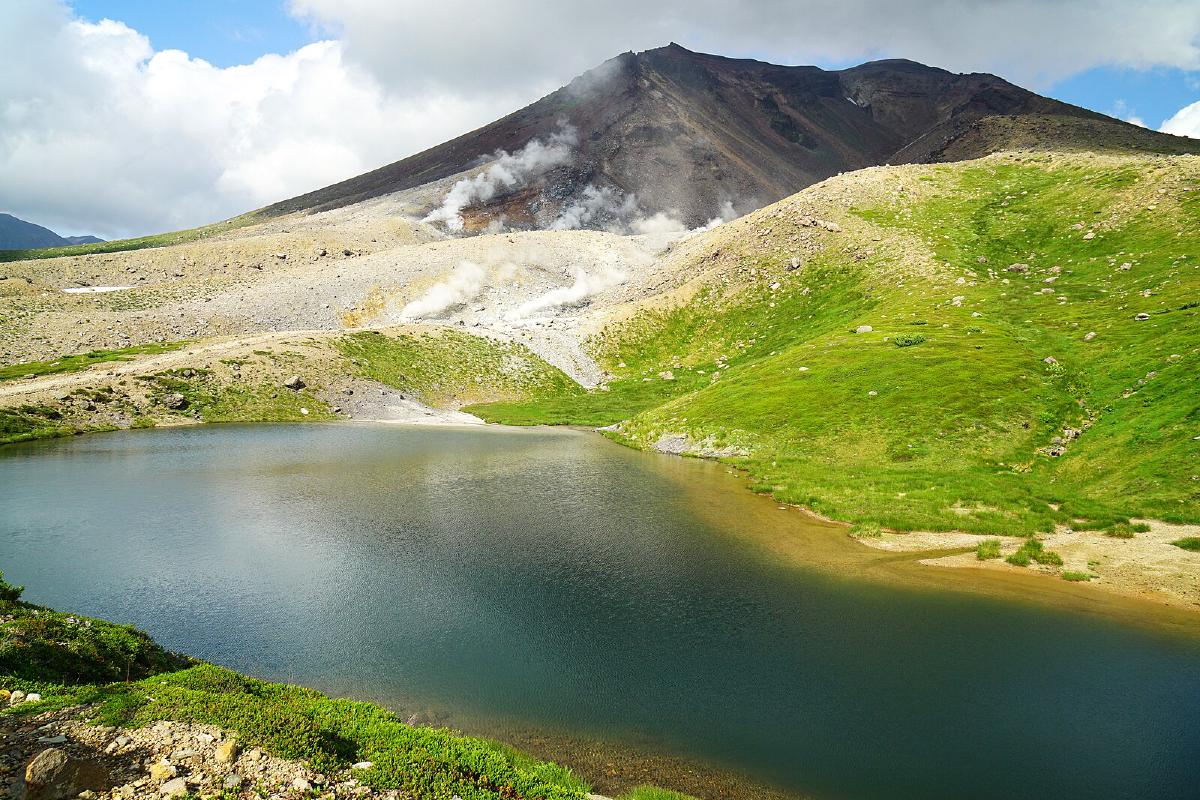
Tevel Shabtai, a 23-year-old Israeli traveller from Modi’in, was found dead on Tuesday on the slopes of Mount Asahi (Asahi-dake) in northern Japan, ending a five-day search and rescue operation in Daisetsuzan National Park.
Mount Asahi is the highest peak on the island of Hokkaido at 2,291 metres, and sits at the heart of Daisetsuzan – Japan’s largest national park and one of the most popular alpine destinations for international visitors travelling through northern Japan.
What happened#
Shabtai was hiking alone as part of an extended trip through Japan. According to Israel’s Kan public broadcaster and The Times of Israel, she rode the Asahidake Ropeway up to the trailhead and registered with park staff at the entrance to the nature reserve before setting off.
Her last contact was a phone call to her mother on 1 May, in which she said she planned to climb the mountain. When she did not check in afterwards, her family alerted Israel’s embassy in Tokyo. The embassy informed Japanese police on the afternoon of 4 May, and a multi-agency search began the following morning.
Conditions on the mountain were severe throughout the operation. Temperatures ranged from 0°C to −5°C (32-41°F), with snowfall and high winds significantly hampering visibility and ground movement. The Israeli search-and-rescue company Magnus was brought in to coordinate alongside Japanese police, mountain rescue teams, volunteers and a helicopter unit. Her body was located on Tuesday morning.
Daisetsuzan and Mount Asahi for Israeli travellers#
Daisetsuzan is a year-round draw for Israeli travellers exploring Hokkaido – particularly in late summer for hiking and autumn-foliage trips, and in winter for ski tourism in nearby Furano and Niseko. Mount Asahi itself is reached by the Asahidake Ropeway from the village of Asahidake Onsen, about an hour’s drive from Asahikawa city.
Even at the height of summer the alpine zone above the ropeway is exposed and can see snow, freezing temperatures and rapid weather changes. By early May – when Shabtai began her ascent – the upper trails are still in full winter conditions. The official park guidance recommends crampons, ice axe and full winter alpine equipment for any climb above the ropeway in shoulder-season months, and strongly advises against solo ascents at that time of year.
Practical guidance for Israelis travelling in Japan#
The Israeli embassy in Tokyo emphasises a small number of practical steps for travellers heading into remote or alpine areas in Japan:
- Register your itinerary. Japanese trailheads in national parks accept written registrations (tozan-todoke); fill them out, and leave a copy of your plan with someone in Israel as well.
- Stay in regular contact. A daily check-in with a family member or friend is the single most useful step in shortening any future search.
- Carry the right gear for the season, not the calendar – Hokkaido alpine weather is closer to Scandinavia or the Alps than to mainland Japan.
- Save the embassy’s emergency line. The 24-hour duty number for Israeli citizens in Japan is published on the embassy website.
The Asians in Israel community sends its condolences to Tevel Shabtai’s family and friends.
Sources#
- Kan News, “After 5 days of searches: Tevel Shabtai, 23-year-old Israeli traveller in Japan, found without signs of life” (Hebrew, 6 May 2026).
- The Times of Israel, “Israeli hiker found dead in Japan after 5-day search” (6 May 2026).
- Ynetnews, “Israeli hiker found dead on Japan mountain” (6 May 2026).
Image: Mount Asahi (Asahi-dake) and Sugatami-no-ike, Daisetsuzan National Park, Hokkaido. Photo by 663highland, CC BY-SA 3.0, via Wikimedia Commons.