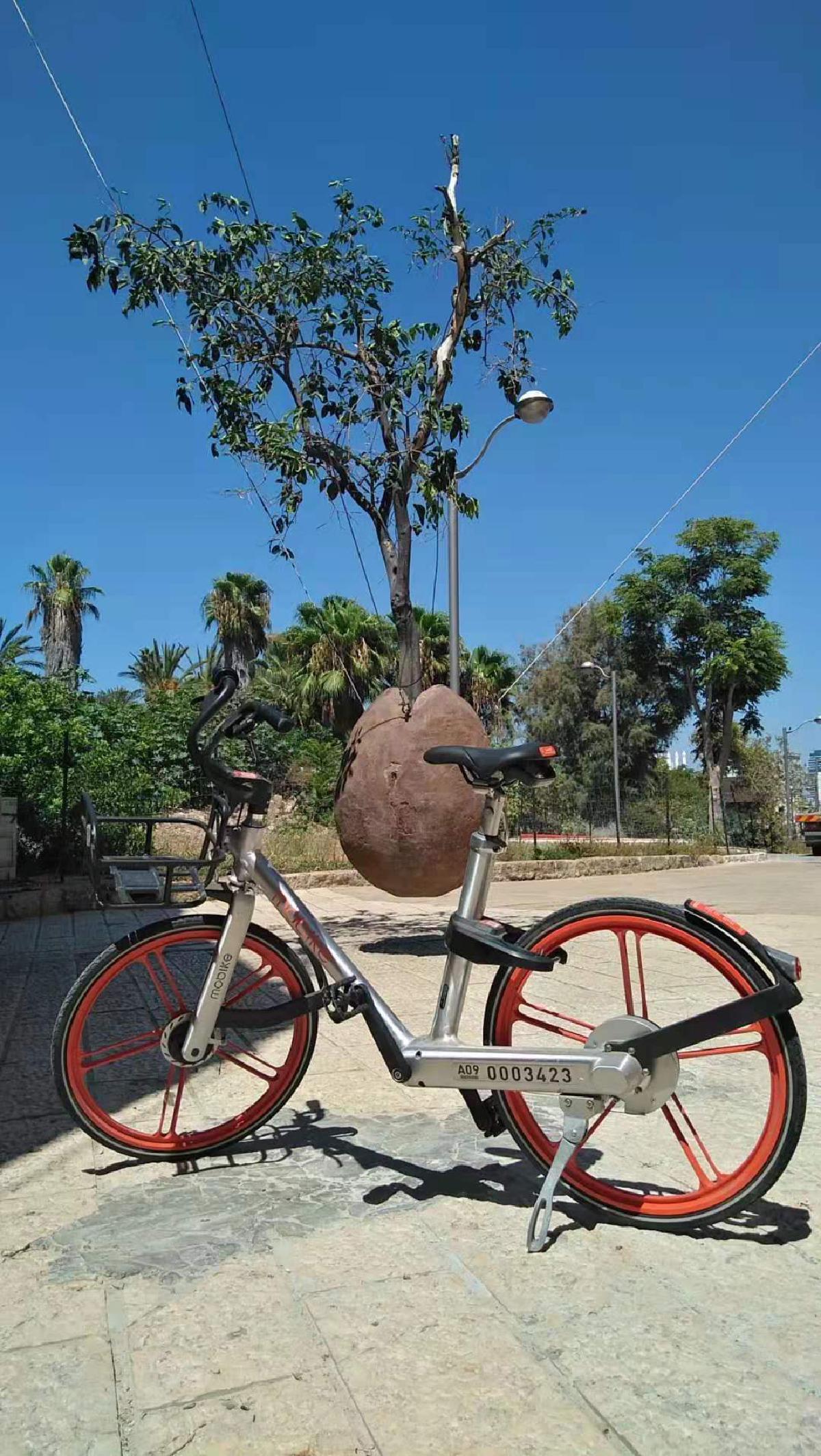
Tel Aviv is often called the “Big Orange.” New York became the “Big Apple” because everyone wanted a bite of the American dream. Tel Aviv got its own fruity nickname for a more literal reason: the Jaffa orange, which for the better part of two centuries was the land’s defining export, grew in groves just outside the city.
What’s less widely known is that the Jaffa orange’s family tree doesn’t start in the Mediterranean. It starts in southern China.
A fruit that travelled the world#
Sweet oranges (Citrus × sinensis) are native to the region that is today Guangdong, Guangxi, and the wider south of China. The Portuguese carried them home from their sixteenth-century trading outposts — most famously Macau, where, according to local legend, the first Portuguese arrivals asked locals the name of the place and were told “Mazu” (after the sea goddess’s temple), which became Macau. Along with the name, the Portuguese picked up the local “lucky fruit” and introduced it to the Mediterranean.
Over the following centuries, the orange mutated, hybridised, and eventually produced the distinct Shamouti variety — the seedless, thick-skinned Jaffa orange that became a global brand in the late 1800s.
The coincidence runs deeper in Chinese itself. In many southern Chinese dialects, the word for orange sounds like the word for luck. Over time the written character even shifted from 橘 to 桔 (jú, “lucky”) in much of the south. Orange is the colour of almost every Chinese festival. It wasn’t just a fruit — it was an auspicious object that travelled well.
The orange that built a city#
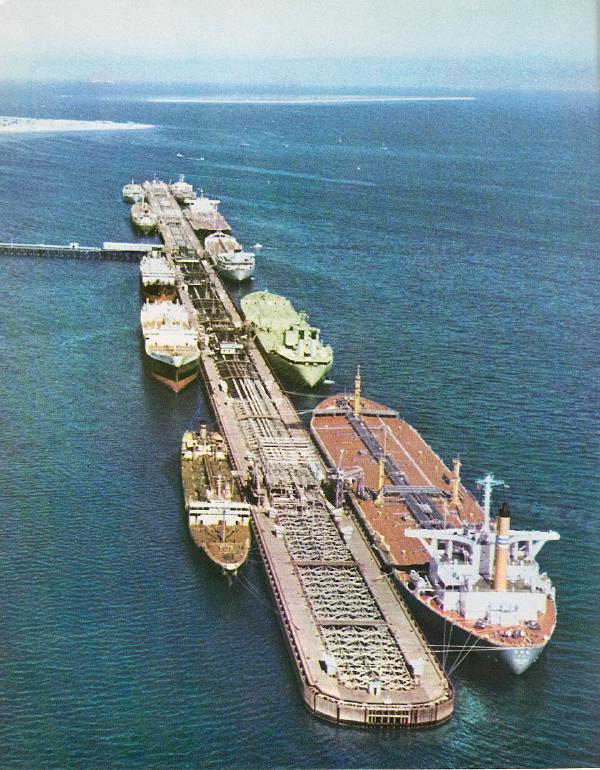
By the nineteenth century, the invention of the steamship made it possible to ship fresh fruit from the port of Jaffa to Europe within weeks. The Jaffa orange became one of the most valuable exports in the Ottoman Levant. It gave Arabs, Jews, and German Templers a reason to settle in what had been a sparsely populated coastal plain. It gave the Rothschild family and early Zionist settlers the economic foundation to build a national home. The groves of Petah Tikva, Rehovot, and Rishon LeZion were, in large part, citrus plantations.
Tel Aviv — founded in 1909 on the sand dunes north of Jaffa — inherited both the name and the fruit. Theodor Herzl’s 1902 utopian novel Altneuland (“The Old-New Land”) was translated into Hebrew as Tel Aviv, evoking both the ancient tel (archaeological mound) and the aviv (spring) of renewal. The oranges watered the spring.
Today citrus has been overtaken by diamonds and high-tech in Israel’s export charts, but the nickname has stuck. And the fruit itself remains, quietly, Chinese.
The Floating Orange Tree#
In Old Jaffa’s zodiac streets, tourists often stop at one of artist Ran Morin’s best-known works: the Floating Orange Tree. A live orange tree is suspended inside an enormous earthenware jug, hung off the ground by metal chains between two buildings, drip-fed by thin black irrigation tubes.
Morin described the piece as a meditation on modern humanity — creatures that grow in containers, separated from the soil. For a Chinese visitor it reads differently too: a tree that came from China, cultivated in Mediterranean earth for five hundred years, is now literally lifted into the air and fed by machines. The original Chinese orange tree would probably prefer to put its roots down into adamah — the earth.
When the Chinese blogger and licensed Israeli tour guide Aaron Zhang visited the sculpture in 2018, he noticed a small serendipity: parked beside the Floating Orange Tree was an orange-coloured Mobike, the Chinese dockless bike-share scheme that briefly invaded Tel Aviv’s streets that year. In Chinese cities, Mobikes were nicknamed 小橘车 — “little orange bikes.” Two centuries apart, two Chinese orange-coloured objects had found their way to the same Jaffa courtyard.
Sweet in the south, bitter in the north#
There’s a 2,500-year-old Chinese parable attributed to the diplomat Yan Zi (晏子). Visiting a rival kingdom, he was asked with contempt whether people from his home state of Qi were all born thieves. Yan Zi replied: “Oranges grown south of the Huai River are sweet; north of it, they turn bitter (南橘北枳). The leaves look alike, but the water and the earth are different.”
It’s a story about context. A fruit — or a person — is shaped by where it takes root. In the south of China, the sweet orange; in the Mediterranean, the Jaffa orange; in Old Jaffa, an orange tree floating in a pot. Same genes, different soil, different story.
As Aaron Zhang likes to tell his Chinese visitors: come to Israel and taste it yourself.
Source: Times of Israel Blogs — Aaron Zhang, “‘Big Orange’ and Tel Aviv’s Chinese genes”