An investigation by The Telegraph, based on shipping data analysis, has revealed that sanctioned Chinese vessels have been delivering chemicals to Iran that could be used to manufacture hundreds of ballistic missiles — even as US and Israeli strikes continue to target Iran’s missile infrastructure.
Five Sanctioned Ships Identified#
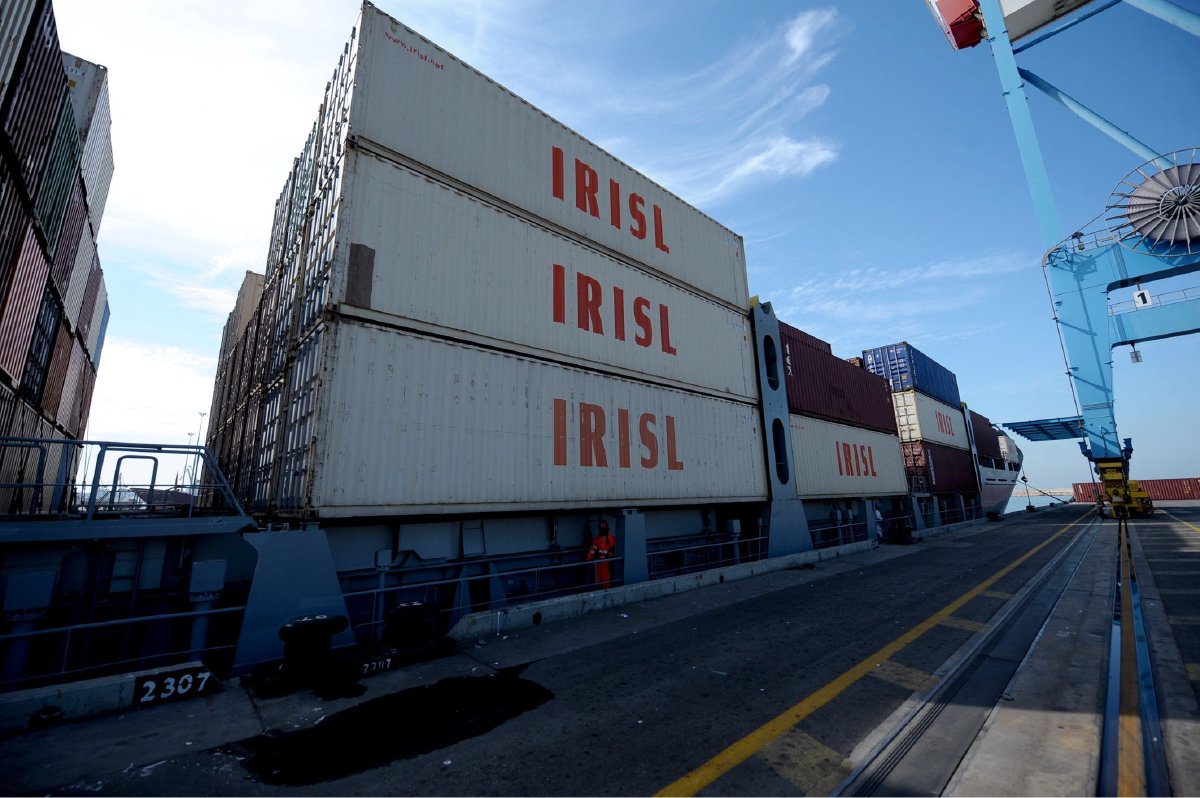
The investigation identified five ships belonging to IRISL (Islamic Republic of Iran Shipping Lines), Iran’s state-owned shipping company, which is under sanctions from the United States, the United Kingdom, the European Union, and Switzerland. Four of the ships arrived at Iranian ports from March 22 onward, after spending an average of three weeks at sea. A fifth ship was spotted near the Iranian coast and is still en route.
The vessels departed from China’s Gaolan port, a facility known for chemical storage, carrying sodium perchlorate — a key precursor for solid rocket propellant used in ballistic missiles.
Enough for Hundreds of Missiles#
Analysts estimate that the volume of chemicals delivered in recent shipments could enable production of approximately 785 additional missiles, exceeding the volumes shipped in 2025. European intelligence sources had previously confirmed to CNN that 2,000 tons of sodium perchlorate were shipped to Iran’s Bandar Abbas port in 2025 to support missile rebuilding after the June 2025 conflict with Israel.
Decker Eveleth, a defense analyst quoted by The Telegraph, warned that while the deliveries demonstrate Iran still has missile production capability, ongoing US and Israeli bombardment may destroy manufacturing facilities before the chemicals can be used.
China’s Calculated Ambiguity#
Experts note that China maintains a position of calculated ambiguity — providing materials that are technically commercial chemicals while knowing they serve military purposes. As one analyst explained, “They’re not sending missiles or warheads; nothing that is directly lethal,” allowing China to maintain plausible deniability while implicitly supporting Iran.
This pattern is not new. China has routinely exported these chemicals to Iran for years, both for missiles Iran supplies to Russia for use in Ukraine and for proxy organizations in Iraq. The continued shipments during wartime suggest this is an established commercial stream that China sees no reason to interrupt.
Implications for the Ongoing Conflict#
The deliveries come at a critical moment. Joint US-Israeli strikes since March 2026 have targeted Iran’s ballistic missile infrastructure, including production sites in Qom and Tehran, steel factories, and chemical suppliers. These strikes have reportedly reduced Iran’s launch frequency significantly.
However, the influx of Chinese chemicals could help Iran replenish its solid-propellant capacity, potentially prolonging the conflict. Iran has continued retaliating with drones and missiles, including a recent attack involving 19 drones and 4 missiles targeting Bahrain on April 1.
The situation highlights the complex web of international relationships that sustains Iran’s military capabilities, with China playing a central but deliberately obscured role.
Source: Maariv, based on The Telegraph investigation