Indian Prime Minister Narendra Modi is set to make an official visit to Israel this week, holding discussions with Prime Minister Benjamin Netanyahu and addressing the Knesset. The visit underscores the deepening strategic and security relationship between the two countries, particularly in the defense sector.
India: Israel’s Largest Defense Customer#
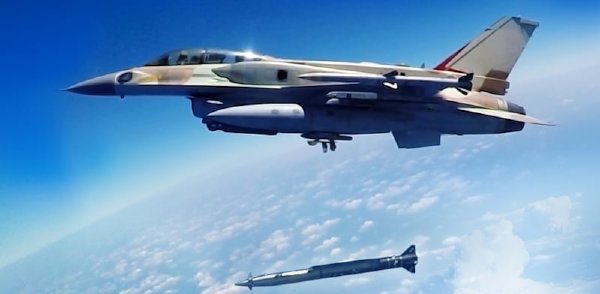
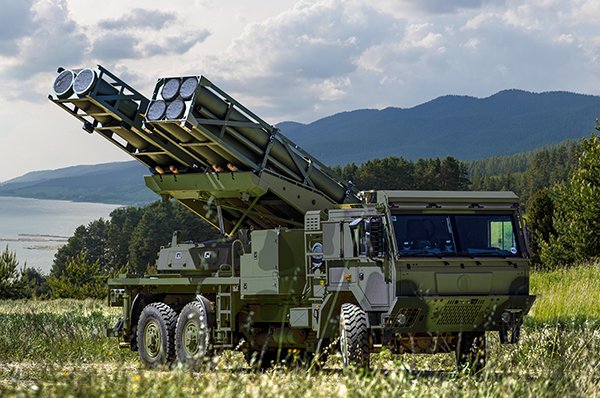
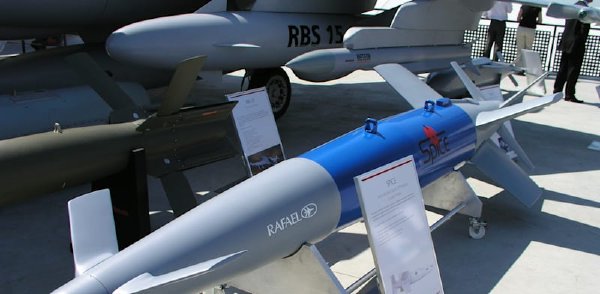
Over the past decade, India has emerged as the single largest buyer of Israeli defense products. According to the Stockholm International Peace Research Institute (SIPRI), India accounted for 34% of Israel’s total defense sales between 2020 and 2024. Figures from SIBAT, the Ministry of Defense’s International Defense Cooperation Directorate, put total arms sales from Israel to India during this period at approximately $20.5 billion.
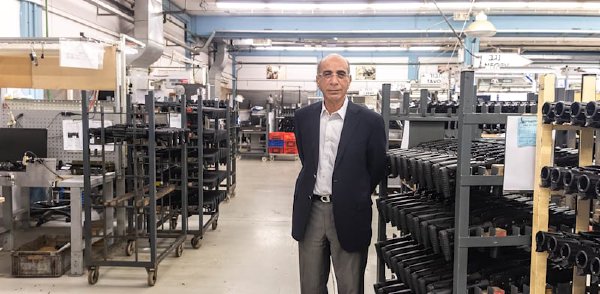
The trajectory has been dramatic. SIBAT head Brig. Gen. (Res.) Yair Kulas outlined the growth: exports stood at $300 million in 2012, rose to $700 million in 2013, and crossed the $1 billion mark in 2014. The major leap came in 2017 with the sale of Barak air defense systems, which pushed annual sales to roughly $3.4 billion.
After a decline to $880 million in 2023 — attributed partly to India’s “Make in India” and “Self Reliance” programs that require 50-60% local production content — sales have rebounded. Israel sold approximately $1.1 billion in defense products to India in 2024, and early estimates for 2025 exceed $1.5 billion.
Forbes India recently reported that total deals closed with India since the beginning of 2026 have reached $8.6 billion, though Kulas noted that official SIBAT figures only capture exports from Israel and do not include production by Israeli companies within India itself.
Beyond Procurement: Local Manufacturing Partnerships#
The relationship extends well beyond direct arms sales. All major Israeli defense companies now maintain Indian subsidiaries and collaborate with local industry. This shift responds to Modi’s push for productive independence, requiring foreign defense suppliers to establish significant manufacturing footprints within India.
A prominent example is the partnership between Adani Corporation and Elbit Systems. Adani produces the Drishti 10 Starliner drone, based on Elbit’s Hermes 900 platform, at facilities in India. This kind of arrangement exemplifies the model Israeli defense firms have adopted: providing technology and designs while Indian partners handle substantial portions of manufacturing.
Kulas emphasized that Ministry of Defense Director General Gen. (Res.) Amir Baram has designated India as a key country, personally leading a delegation of all department heads to strengthen ties. During the ongoing conflict, Indian-made defense products reportedly reached Israel by ship, demonstrating the practical depth of the partnership.
Air Defense and New Frontiers#
According to India’s Hindustan Times, a key agenda item during Modi’s visit will be air defense cooperation. This includes potential joint development in ballistic missile defense and even laser-based defense systems — areas where Israel has developed significant expertise through its Iron Dome, David’s Sling, and Iron Beam programs.
The Challenge of Technological Copying#
Israel’s position as a defense technology leader also comes with challenges. Last October, Armenian company Davaro unveiled the Dragonfly 3 suicide drone, which bore a striking resemblance to Israel Aerospace Industries’ Harop loitering munition. Armenia maintains deep defense ties with India, which itself operates the Harop.
Kulas acknowledged the reality of copying attempts but emphasized Israel’s approach to staying ahead. “Before exporting, we go through various bodies such as the Director of Security of the Defense Establishment and MAFAT,” he explained. “This includes strict security agreements. It is clear that people try to copy, even at exhibitions, but this is a race in which we must always produce the next generation.”
Israel currently ranks eighth among the world’s defense exporters with 3.1% of global trade, according to SIPRI.
India as a Gateway to Asia#
Manufacturing within India serves a dual purpose. Beyond supplying the Indian military, it positions Israeli-Indian partnerships to reach broader Asian markets. “Once you produce in India, you can reach other countries,” Kulas noted. “The market is big not only for India itself but also for third countries in the region.”
This strategic calculus mirrors trends in other major markets — just as defense companies need production capacity in the United States for the American market or in Germany for NATO procurement, India is becoming the central anchor for the Asian defense market.
Outlook#
Despite challenges posed by boycott pressures and wartime difficulties, Kulas expressed confidence that Israel’s defense industry will break “another glass ceiling” in 2026. “The proof on the battlefield and the results of the fighting in Gaza, Lebanon, Syria and Iran are bringing a surge in our industries,” he said.
The Modi visit represents engagement at the highest political level, with both prime ministers directly guiding defense industry cooperation — a signal that the Israel-India defense relationship is poised for further expansion.
Source: Globes