Children of Foreign Workers Fight for Right to Serve in the IDF#
They were born in Israeli hospitals, grew up speaking Hebrew, attended Israeli schools, and joined the Scouts. But when their classmates received draft notices, these teenagers — children of migrant workers from the Philippines, Thailand, Ivory Coast, and elsewhere — discovered they were invisible to the system they call home.
Last month, immigration law firm Zari Hazan & Co. filed a High Court petition on behalf of approximately 50 young people who want to enlist in the Israel Defense Forces. The case highlights a growing tension between Israel’s acute wartime manpower shortage and its immigration policies, with direct implications for Asian and African migrant worker communities across the country.
Personal Stories#
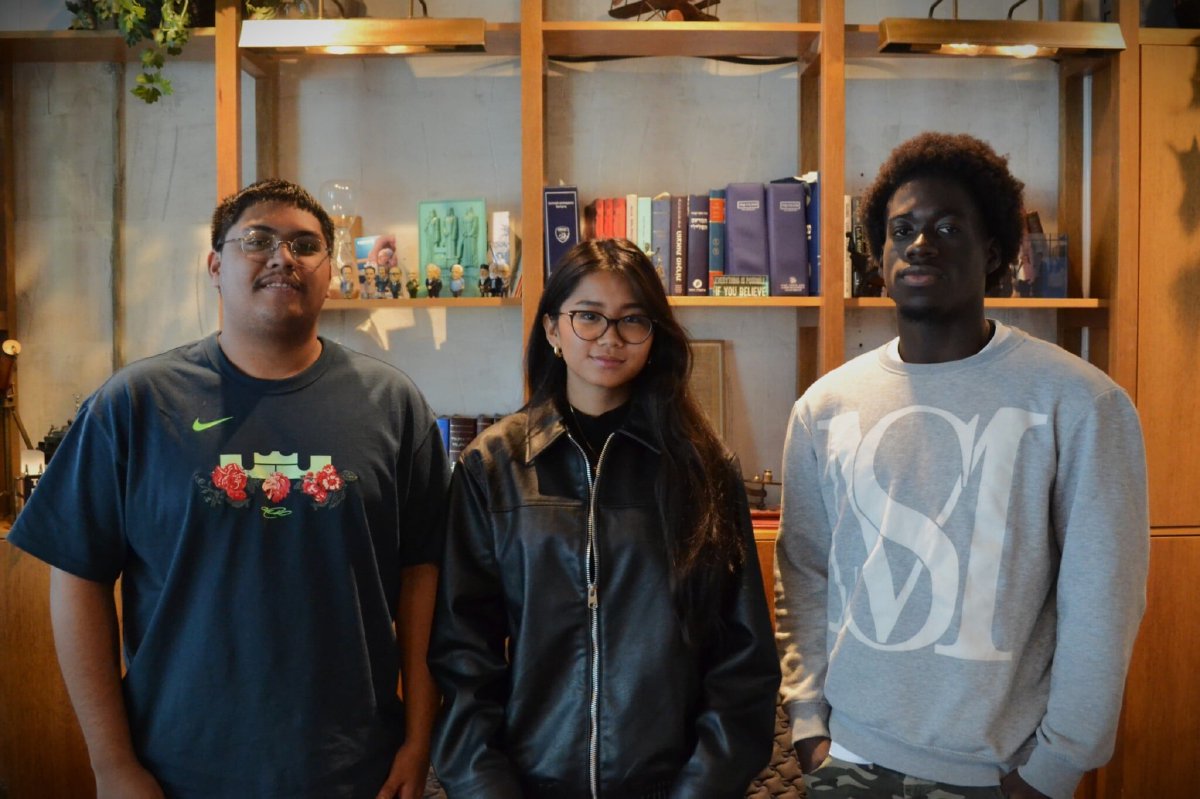
Reign Arpon, 19, was born in Moshav Mishmar Hashiva to Filipino parents. She grew up fully Israeli in every way that matters — except on paper. “I want to give back to the country — especially in today’s situation with the war,” she told the Times of Israel.
Prince Justice, 18, born in Tel Aviv to parents from Ivory Coast, recalls the moment in school when military service came up in class discussion. “That was the first time that I understood that I’m different,” he said — different not by choice or culture, but by bureaucratic status.
Neel Vicente, 18, grew up in the Israeli Scouts movement, fully expecting to serve alongside his peers. When his friends received their draft notices, he was left behind. “I got upset because I couldn’t — because they have an Israeli ID,” he said.
The Legal Argument#
The petition rests on a straightforward reading of Israel’s Defense Service Law, which requires the IDF to draft individuals who meet the definition of “permanent resident” — meaning those whose lives are based in Israel, regardless of formal legal status. Attorney Meytal Lupoliansky argues that these young people clearly meet this criterion.
“When these kids finish school, and all their Israeli friends enlist, they find themselves both invisible” and unable to serve, she explained.
An estimated 3,500 children of foreign workers in Israel lack legal status but could be eligible for conscription under this interpretation.
A Critical Manpower Gap#
The timing of the petition is significant. Since October 7, 2023, the IDF has faced a prolonged manpower crisis. Military officials report a shortage exceeding 10,000 soldiers, with 6,000 to 7,500 needed specifically for combat roles.
Earlier in the war, a pilot program to allow some children of foreign workers to enlist was discussed but ultimately stalled. The current petition aims to force the issue through the courts.
The Price Already Paid#
The case carries particular weight because of one name: Sgt. First Class Cedrick Garin. Born to Filipino parents, Garin fought and won his own battle to serve in the Givati Brigade. He was killed in Gaza on January 22, 2024, during an RPG attack alongside 20 other soldiers. His story is a reminder that some children of foreign workers have already given everything for a country that still won’t formally recognize them.
What Happens Next#
Attorney Zari Hazan describes the current situation as “an absurdity” — a country fighting a prolonged war that simultaneously bars willing and capable young people from serving. A High Court decision is expected in February 2026.
For the Asian and African migrant worker communities in Israel, the outcome could reshape what it means to be born and raised here. These aren’t newcomers seeking entry — they’re young people who have never known another home, asking to defend it.
Source: Times of Israel, by Stav Levaton