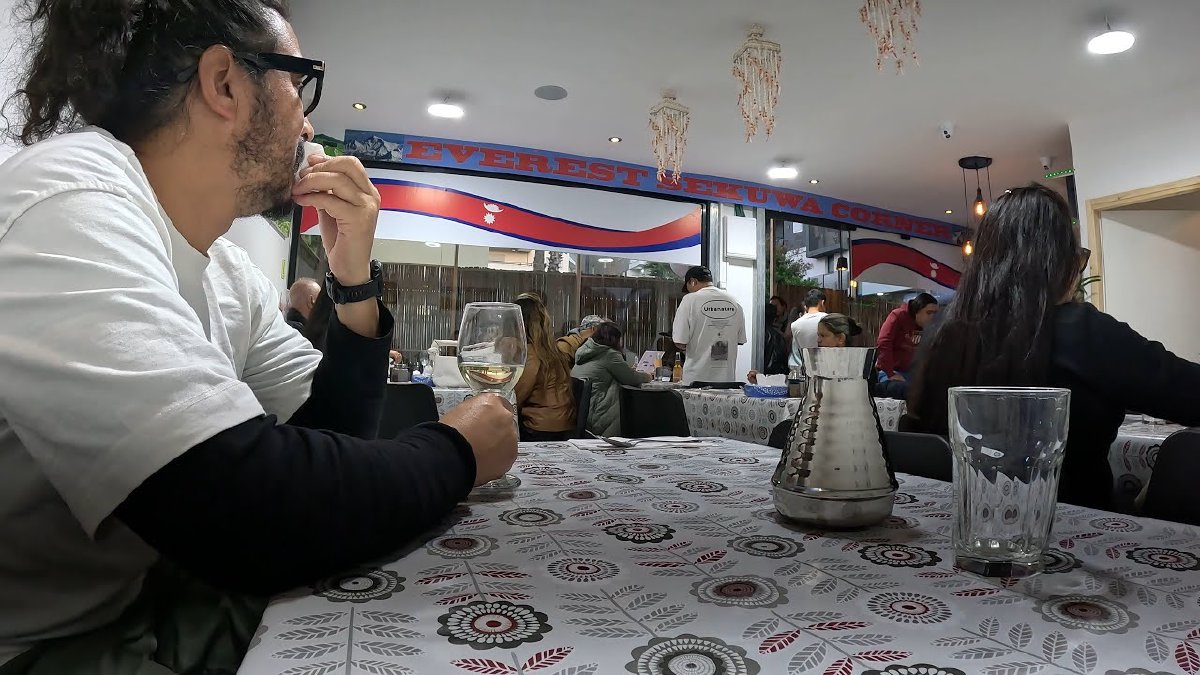
In the bustling streets of south Tel Aviv, near the central bus station, a small restaurant brings the flavors of the Himalayas to Israel. Everest Sekuwa Corner (एभरेष्ट सेकुवा कर्नर) serves authentic Nepali cuisine to a community of migrant workers seeking the comforting tastes of home.
Location and Atmosphere#
Located at Yesud ha-Ma’ala Street 36 in Tel Aviv-Yafo, Everest Sekuwa Corner sits in the heart of south Tel Aviv’s diverse migrant worker neighborhood. The area around the central bus station is home to many Asian and African workers, making it a natural hub for authentic ethnic cuisines that are hard to find elsewhere in Israel.
The restaurant functions as more than just an eatery—it’s an informal community center where Nepali workers gather on their days off to share news, celebrate festivals, and reconnect with their culture through food.
What is Sekuwa?#
Sekuwa is a classic Nepali grilled meat dish that lies at the heart of the restaurant’s identity. Traditional sekuwa consists of marinated meat—typically goat, pork, chicken, or buffalo in Nepal—cooked over charcoal or an open fire. The marinade features a distinctive blend of garlic, ginger, cumin, coriander, chili, and other local spices that give the dish its characteristic smoky, complex flavor.
In Nepal, sekuwa is typically served with achar (spicy pickle), fresh onions, lemon wedges, and chiura (beaten rice). At Everest Sekuwa Corner, the dish is adapted to locally available meats—primarily chicken and sometimes mutton—while maintaining the authentic tandoor-grilled style and traditional Nepali spice blend.
Menu Highlights#
Everest Sekuwa Corner offers a mix of Indian and Nepali specialties, recognizing the culinary overlap between the two neighboring nations and the diverse South Asian clientele it serves. The menu includes:
- Sekuwa-style grilled chicken: The signature dish, featuring tandoor-grilled chicken with authentic Nepali spicing
- Home-style curries: Traditional Nepali and Indian chicken and vegetable curries
- Dal and rice thali plates: Complete meals featuring lentils, rice, and accompaniments
- Indian breads: Naan and roti to complement the Nepali dishes
The restaurant prides itself on serving “ghar jasto” (home-like) food—a crucial offering for workers living far from their families and homeland.
The Nepali Community in Israel#
While smaller than the Filipino or Thai communities, Nepal’s presence in Israel is significant. Many Nepalis work in caregiving (especially elder care), agriculture, and service industries as part of broader Asian labor migration to Israel.
These workers often face long hours and cultural isolation, making community spaces like Everest Sekuwa Corner vital for maintaining cultural connections. The restaurant likely serves as a gathering place for festivals such as Dashain, Tihar, and Teej—major Nepali celebrations that help workers maintain ties to their heritage while living abroad.
Significance for Asian Diaspora#
Everest Sekuwa Corner represents an important aspect of Asian diaspora life in Israel:
Cultural Preservation: The restaurant allows Nepali workers to maintain their culinary traditions in a country where these flavors are otherwise unavailable.
Community Hub: Beyond food, it provides a space for workers to speak Nepali, share information about jobs and housing, and build support networks far from home.
Visibility: The Devanagari signboard and the iconic “Everest” name make Nepali presence visible in Tel Aviv’s urban landscape, representing a community often overlooked when discussing Asian migration to Israel.
Cross-Cultural Bridge: By serving both Nepali and Indian cuisine, the restaurant creates a meeting point for the broader South Asian diaspora, fostering connections among Indians, Nepalis, and curious locals.
For the Asian community in Israel, restaurants like Everest Sekuwa Corner serve a purpose far beyond feeding hungry customers—they provide comfort, connection, and a taste of home thousands of kilometers away from the mountains of Nepal.
Source: Atly - Everest Sekuwa Corner